
Health after 40 rarely fails all at once. Health after 40 tends to slip quietly — a little slower recovery, a little less energy — until you finally decide to pay attention.
Health after 40 has a way of announcing itself quietly, then all at once. You do not wake up on your fortieth birthday and suddenly feel different. What actually happens is smaller: you notice you recover slower after a stretch of late nights, a plate you used to finish without thinking now sits heavier than expected, and the body starts sending small reminders that it is keeping score of years you were not counting.
Forty is not a medical cliff. It is simply a reasonable point to stop running on autopilot and start being honest about the habits that got you here.
Why This Decade Is a Fair Trigger to Reassess — Health After 40
There is nothing magical about the number 40. What makes it a useful checkpoint is that it usually arrives with more responsibility, not less — a business to run, a household to hold up, people depending on decisions you make daily. It is exactly the kind of season where taking care of yourself quietly falls to the bottom of the list, because it never feels as urgent as the next deadline or the next client.
I have run a small graphic-design and printing business for years, largely on my own, and I know what that pressure looks like from the inside — inconsistent income some months, clients who need things faster than seems reasonable, vendors to manage, and a schedule that expands to fill whatever time exists. In that kind of season, rest, movement and food become the first three things sacrificed, precisely because none of them scream for attention the way a client deadline does.
What Tends to Slip First
For most people carrying real workload and family responsibility, three things erode quietly:
Sleep becomes the easiest thing to shorten when the day runs long, even though it is the habit with the widest effect on everything else.
Movement disappears first from the schedule, not because anyone decides to stop, but because sitting at a desk or behind a counter all day never feels like a decision — it just happens.
Food shifts from prepared to convenient, which is rarely a conscious downgrade, just the path of least resistance on a busy day.
None of this means something is medically wrong. It usually just means the habits built for a lighter season have not been updated for a heavier one.
Rebuilding Without Overhauling Everything
The instinct after a wake-up moment is to overhaul everything at once — a strict new diet, an ambitious workout plan, an early bedtime that lasts three days. Most of that collapses quickly because it was never designed to survive a real workload.
A steadier approach is to rebuild one habit at a time, sized to fit the life you actually have, not the life you wish you had more time for. Health guidance for this decade consistently points to a few unglamorous basics — consistent sleep, regular movement (even brisk walking counts), and meals that are prepared rather than grabbed — done consistently, over flashy or extreme changes done briefly.
What This Can Look Like Practically
A few realistic starting points, chosen deliberately because they fit around a demanding schedule rather than compete with it:
Protect one sleep boundary. Pick a single, non-negotiable cutoff time for screens or work, even if the full night’s sleep still isn’t perfect.
Attach movement to something you already do. A walk during a phone call, stairs instead of a lift, ten minutes before the day starts — small and repeatable beats ambitious and abandoned.
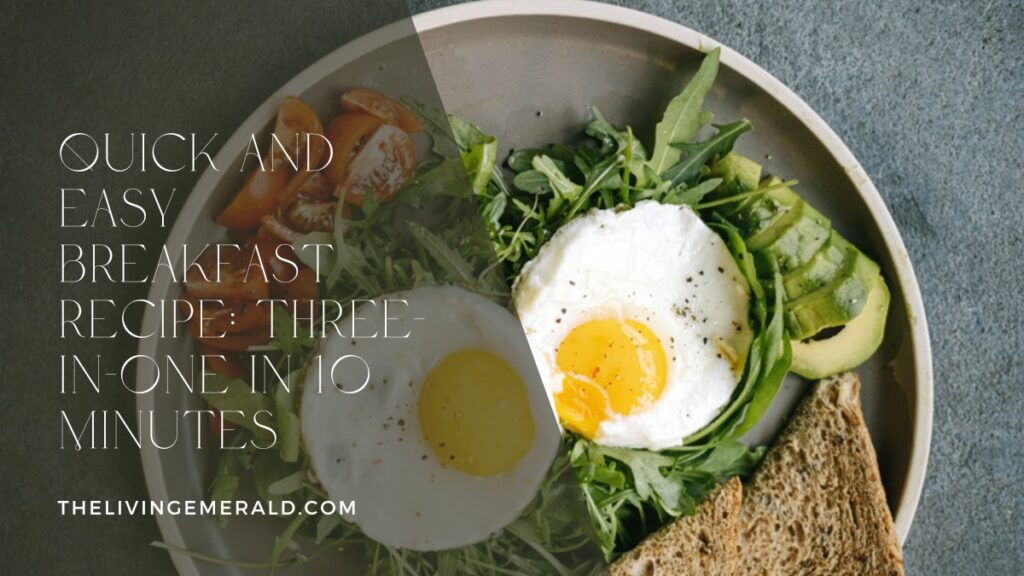
Fix one meal, not every meal. Most people do not need a full diet overhaul; they need one meal of the day — often breakfast — to stop being an afterthought. If mealtimes have quietly become chaotic under pressure, it is worth looking honestly at what that is actually costing you.
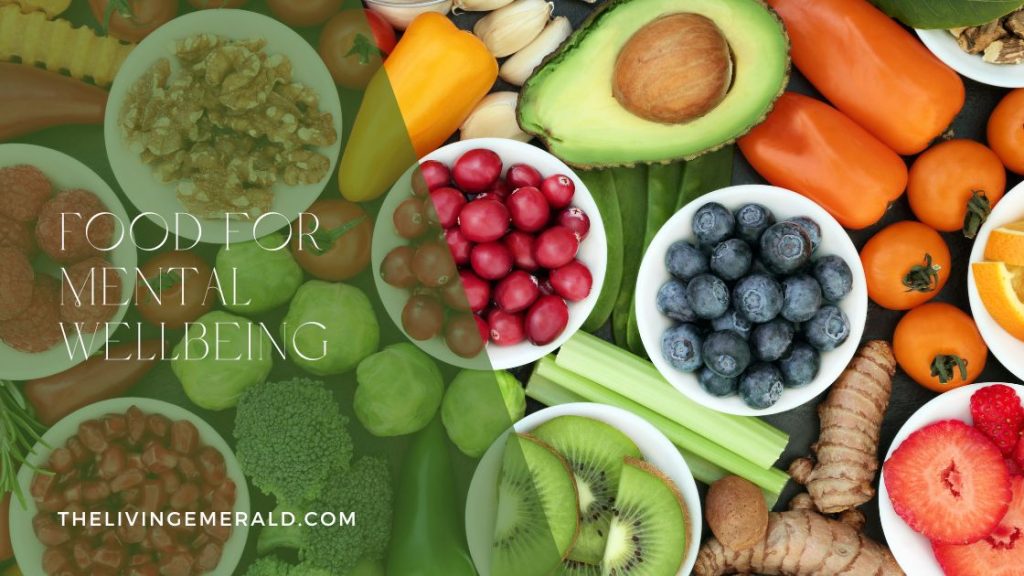
It also helps to remember that food is not only fuel for the body — what you eat has a real, quieter effect on how clearly you think and how well you handle pressure too.
A Practical Next Step
Choose one of the three basics — sleep, movement, or one meal — and commit to a small, specific version of it this week. Not a resolution, just one repeatable action you can actually sustain alongside the life you already have.
Turning 40 does not require you to become a different person. It just asks whether the habits that got you here are still the ones you want carrying you through the next decade.
Health after 40 is not about chasing your twenties again. Health after 40 is about building habits honest enough to carry you through the next forty.