
Food and real life do not always cooperate. Food and real life rarely match the tidy meal plans you see online, especially on a tight budget and a busy schedule.
Food and real life rarely match the tidy meal plans you see online. Real life includes a work schedule that does not always leave room to cook, a budget that has to stretch across a household, and children who need to eat well whether or not the day went as planned. Healthy eating in that context is not about following a perfect diet — it is about making consistently reasonable choices inside real constraints.
The Real Constraint Is Rarely Knowledge — Food And Real Life
Most families already know, broadly, what healthier eating looks like — more vegetables, less ultra-processed food, regular meals instead of skipped ones. The actual barrier is usually time and money, not information. Any advice that ignores that reality is not practical advice, it is just a longer list of things to feel guilty about.
Build Around a Few Affordable, Reliable Staples
Rather than chasing variety for its own sake, it helps to build meals around a small rotation of affordable, nutritious staples that a household actually likes and can prepare quickly. In a Nigerian household, that often includes beans, eggs, and locally available vegetables — all genuinely nutritious, all relatively inexpensive compared to many alternatives, and all flexible enough to appear in several different meals through the week rather than requiring a new recipe every day.
This lines up with wider nutrition guidance too — Harvard’s own nutrition research points to beans, eggs and seasonal produce as consistently among the most nutritious, budget-friendly foods available, regardless of where in the world you are shopping.
Plan Around the Week You Actually Have
A meal plan built for an ideal week collapses the moment a real week happens — a late meeting, a sick child, an unexpected errand. A steadier approach is planning around the schedule you realistically expect, including the busy days, and deciding in advance what the fallback meal looks like on those days so a busy evening does not automatically become a fast-food evening by default.
Cook Once, Eat More Than Once
Time pressure is often the bigger obstacle than money. Preparing a larger pot of something simple — beans, stew, a pot of soup — once and portioning it across two or three meals reduces both the daily cooking burden and the temptation to buy convenient but less nutritious food on the busiest days.
Protect One Meal a Day on Purpose
Not every meal needs to be planned perfectly, but protecting at least one meal a day — often breakfast — from being skipped or rushed past makes a real difference to how the rest of the day goes for both parents and children. Skipped meals accumulate a cost that is easy to underestimate until it catches up with you, and a simple, fast breakfast is often easier to build a habit around than an elaborate dinner.
If mornings are the hardest meal to manage, a genuinely quick option can still be nutritious — a fast, three-in-one breakfast can be ready in about ten minutes without sacrificing what a growing family actually needs.
Remember Food Feeds More Than the Body
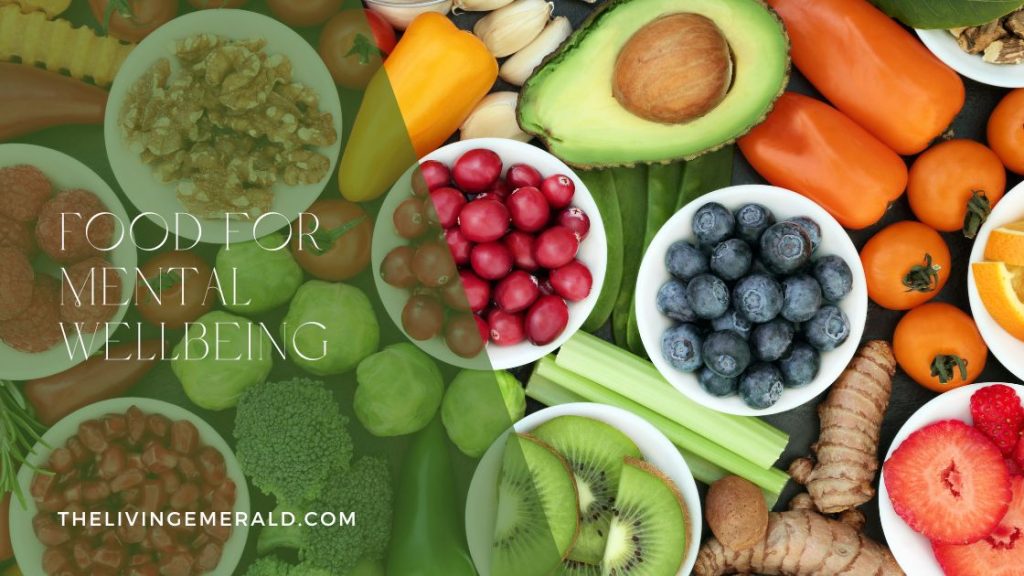
What a family eats also shapes mood, focus and how everyone handles the pressures of an ordinary day. The connection between food and mental wellbeing is real, which is one more reason consistent, reasonable meals matter more than occasional perfect ones.
A Practical Next Step
Choose three affordable staples your household already likes, and plan this week’s meals around rotating them rather than searching for entirely new recipes. Protect one meal a day from being rushed or skipped. That is enough to start — healthy eating in real life is built from repeatable, reasonable choices, not a perfect week you will only manage once.
Food and real life will never look like the picture-perfect meal plans online, and that is fine. Food and real life just need to work together consistently, one realistic choice at a time.