
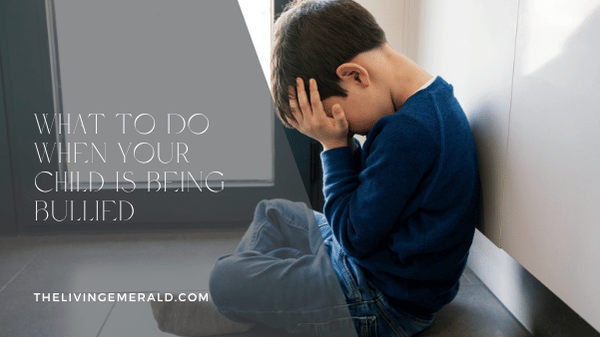
Few things trigger a parent’s protective instinct faster than learning your child is being bullied. The urge to march to the school immediately, or tell your child to simply fight back, is completely understandable — but the most helpful response usually starts somewhere calmer and more deliberate than that first wave of anger.
1. Listen Fully Before You React
When a child finally works up the courage to tell you about bullying, your first reaction teaches them whether it’s safe to keep telling you things. Before responding with anger or immediately jumping to solutions, simply listen to the whole story, ask gentle follow-up questions, and let them feel heard first.
2. Validate Their Feelings Without Amplifying Fear
“That sounds really hard, I’m glad you told me” validates without escalating. Reacting with visible panic or rage, even out of love, can make a child feel like the situation is even bigger and scarier than they first thought — or hesitant to tell you next time because of how upsetting it was for you.
3. Gather Specifics Before Acting
Ask calmly: what happened, when, how often, who else was there. Specific details help you and the school address the real pattern, rather than a vague sense that “someone’s being mean,” which is much harder to act on effectively.
4. Involve the School Calmly and in Writing
Most schools have anti-bullying policies, and a calm, specific, written report to a teacher or counselor tends to get taken more seriously and tracked more reliably than an emotional verbal complaint. The NHS recommends working with the school directly and keeping a record of incidents and responses.
5. Equip Them, Don’t Just Rescue Them
Alongside addressing the situation with the school, help your child build specific tools — simple, confident responses to try, who to go to for help in the moment, and reassurance that reporting bullying isn’t weakness. The goal is a child who feels both protected by you and capable themselves.
Watch for Signs They Haven’t Told You Yet
Many children never directly say they’re being bullied. Watch for indirect signs instead: reluctance to go to school, missing belongings, unexplained sadness, or sudden social withdrawal. Noticing these patterns and gently opening the door to talk often surfaces what a child hasn’t found words for yet.
Teach Them Bullying Is Never Their Fault
Children sometimes quietly blame themselves for being targeted, wondering what’s wrong with them. Make it unmistakably clear, repeatedly if needed, that bullying is a choice the bully makes, never something the child caused or deserved by being who they are.
Build Their Confidence Outside the Bullying Situation
Encouraging a child’s involvement in activities where they feel genuinely competent and valued — sport, art, a club, church youth group — helps rebuild self-worth that bullying can chip away at. Confidence built elsewhere often carries over, giving a child more resilience in the harder environment too.
Loop Back With Them Regularly, Not Just Once
After the first conversation and any action taken, keep checking back in over the following weeks. Bullying situations evolve, and a child may not volunteer an update unprompted even if things get harder again. A simple, regular “how are things going with that” keeps the door open.
Keep Showing Up While Your Child Is Being Bullied
Knowing your child is being bullied is painful, but your steady, calm presence through it matters more than any single fix. Stay close while your child is being bullied, and let them feel that closeness every day.
Supporting a child through something this hard connects with raising a child who isn’t like you and handling sibling rivalry without picking sides — both about helping children navigate hard relationships well.
What to Do First When Your Child Is Being Bullied
Start by believing them completely, then document what happened before you contact the school. Knowing clearly what to do when your child is being bullied, step by step, keeps you calm enough to actually help instead of just reacting.
If you are unsure whether your child is being bullied or just going through normal friend drama, ask direct questions and watch for a pattern instead of a single bad day. A pattern is your signal to step in.
Reassure your child often that telling you was the right move. That trust is what will keep them coming back every time your child is being bullied, instead of trying to handle it quietly alone.