

Why Rest Is Part of Productivity
The cost of ignoring rest shows up as slower thinking and avoidable mistakes — rest is an input to productivity, not the opposite of it.
Why Rest Is Part of Productivity Read More »
FOOD & HEALTHExplore practical ways families can nourish their bodies and build healthier lives. This section covers food, family meals, Nigerian food, healthy eating, recipes, children’s nutrition, food choices, exercise, sleep, rest, family wellness and healthy everyday habits. The focus is practical, balanced and family-centred rather than presenting the site as a medical authority.
The cost of ignoring rest shows up as slower thinking and avoidable mistakes — rest is an input to productivity, not the opposite of it.
Why Rest Is Part of Productivity Read More »
FOOD & HEALTH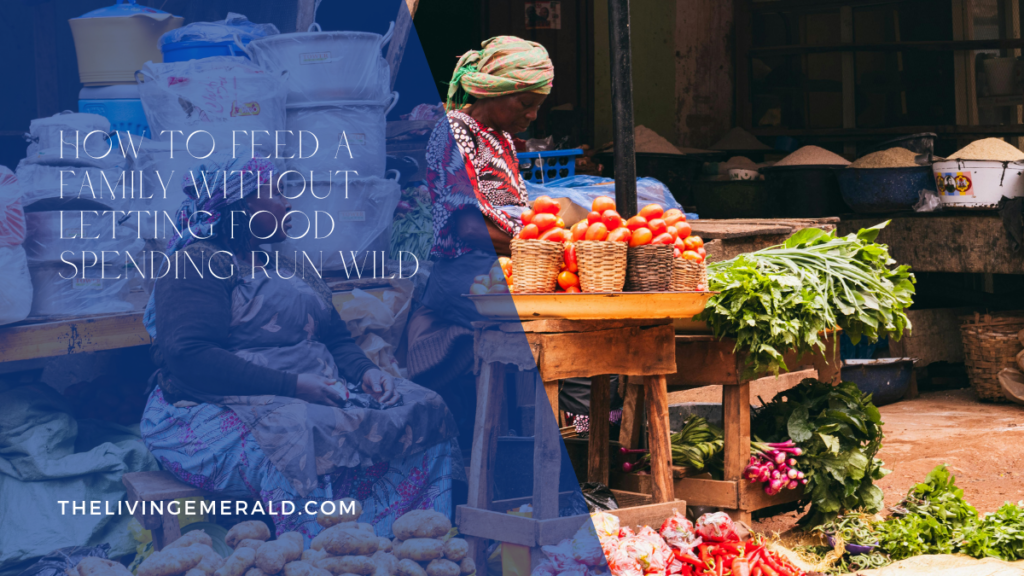
The Nigerian family food budget rarely breaks in one dramatic moment. It breaks slowly — a bag of rice that costs more than it did last month, a “just this once” order-in on a tired evening, a market trip that somehow always costs more than the mental number you had going in. Work schedules make this harder to manage well. When the day is already full of client deadlines and school runs, food planning is usually the first thing to get skipped — and skipped planning is expensive planning, even when it doesn’t feel like it in the moment. Why the Nigerian Family Food Budget Feels Impossible to Predict Prices shift often enough that last month’s grocery total isn’t a reliable guide for this month. Add a household with different tastes, a child going through a picky phase, and the temptation to buy convenience food on a busy week, and the budget stops being a plan and starts being a guess that usually loses. A Saturday That Actually Changed How I Think About Food One Saturday, instead of the usual rushed shopping, the children and I bought fresh groundnut at the market and spent the whole afternoon preparing it together from start to finish — sorting, roasting, the whole process, no shortcuts. It cost less than a bag of the processed version would have, and it turned into one of those ordinary afternoons that ends up mattering more than it looked like it would. What stuck with me wasn’t just the savings. It was that a slower, more involved way of feeding the family — one that used to feel like an inconvenience — actually became the more memorable and more affordable option, once we stopped treating “fast” as automatically “better.” Practical Ways to Keep the Nigerian Family Food Budget Honest Planning meals for the week before shopping — even roughly — cuts down on the impulse buys that quietly inflate a grocery trip. Buying staples like rice, beans, and garri in bulk when the price is reasonable, rather than restocking small quantities under pressure, tends to average out cheaper over a few months. And involving the children in some part of food preparation, the way that Saturday with the groundnut did, makes home-cooked meals feel like an activity instead of a chore competing with takeout. Balancing Cost With Actual Nutrition Cheaper doesn’t have to mean less nourishing. Beans, groundnut, seasonal vegetables and locally available proteins are often both the most affordable and the most nutritionally solid options on a Nigerian table — it’s convenience food, not traditional food, that tends to cost more while offering less. The World Health Organization confirms that a balanced, minimally processed diet built around foods like these remains one of the most reliable ways to protect a family’s long-term health. When the Nigerian Family Food Budget Runs Tighter Than Usual Some months the budget simply won’t stretch the way it did the month before, and no amount of planning changes that. On those months, leaning harder on the cheapest reliable staples — beans, garri, seasonal vegetables, whatever grain is currently priced fairly — does more good than trying to maintain the usual variety on a shrinking amount of money. Simplifying meals for a tight month isn’t a failure of planning. It’s what planning is actually for — adjusting on purpose, before the money runs out mid-month and forces a worse decision later. A Realistic Place to Start Pick one weekend this month for a slower, hands-on meal with the family instead of the usual rushed shopping-and-cooking routine. The Nigerian family food budget doesn’t need a complete overhaul to improve — it needs a few deliberate weekends like that Saturday with the groundnut, repeated often enough to become the new normal. Related Reading This builds on Healthy Eating When Money and Time Are Tight. And for the broader habit-rebuilding angle, see Why Turning 40 Can Be a Reason to Rebuild Your Daily Habits.
How to Feed a Family Without Letting Food Spending Run Wild Read More »
FOOD & HEALTH
When work is hurting you, the signs rarely show up as a single dramatic moment. They show up as a stiff neck that doesn’t fully loosen anymore, a sleep schedule that keeps sliding later, and a low background hum of tiredness that a weekend off no longer fixes. Running a small business for years — long stretches at a desk, client deadlines that don’t care what time it is, income that isn’t always steady enough to justify slowing down — makes it easy to treat your body as the last thing on the priority list. It works, until it stops working. When Work Is Hurting You, the Body Tells You Before You Admit It Posture problems, eye strain, and disrupted sleep don’t usually arrive with a warning label. They accumulate quietly across months of “I’ll fix this once things calm down” — and for anyone self-employed, things rarely calm down on their own schedule. The deadline that feels urgent today will be replaced by another one tomorrow. Mayo Clinic notes that sustained stress shows up physically long before it’s consciously acknowledged, which is exactly what makes it easy to ignore. The honest starting point isn’t a dramatic lifestyle overhaul. It’s noticing which specific habit is doing the most damage right now — screen distance, sitting for six hours straight, skipping meals during a rush — and treating that one thing as worth fixing this week, not someday. When Work Is Hurting You, “I’ll Rest Later” Doesn’t Work Inconsistent income makes rest feel irresponsible. If this month’s orders are strong, stopping feels like leaving money on the table. If they’re slow, stopping feels like falling further behind. Either way, the business always seems to have a good reason for the body to wait. It never actually gets a natural pause. The habits that hold up are the ones built into the workday itself, not the ones that depend on finding free time — because for someone working largely alone, free time is rarely just sitting there waiting to be claimed. Small, Repeatable Habits That Fit an Unpredictable Schedule A few habits that survive a genuinely irregular workload: standing up and moving for a couple of minutes every hour rather than waiting for a natural break that may not come; keeping water at the desk instead of relying on remembering to drink; and setting one fixed cutoff time in the evening that client messages don’t get to override, even during a busy stretch. None of these require a slow season to start. They’re designed to work inside a busy, unpredictable one, which is the only kind of season most small-business schedules actually offer. When Work Is Hurting You, Take It Seriously Without Becoming an Alarmist This isn’t a claim to medical expertise, and it isn’t a suggestion that every tired evening is a crisis. It’s a reminder that a body under sustained pressure — physical and financial — deserves the same planning attention a business gets. If something persists (pain that doesn’t ease, sleep that stays broken for weeks), that’s a conversation for a doctor, not a productivity hack. What This Looks Like on an Actual Bad Week A genuinely bad week doesn’t leave room for an hour at the gym or a proper meal-prep Sunday, and pretending otherwise is usually why health habits collapse the first time work gets hard. What survives a bad week is smaller than that: a two-minute stretch between calls, water within reach instead of three rooms away, and a hard stop time in the evening that gets protected even if the inbox isn’t empty. The habits worth building are the ones that still happen on the worst week of the month, not just the calm ones — because the worst weeks are exactly when the body needs them most, and exactly when they’re easiest to skip. When Work Is Hurting You: A Realistic Next Step Pick the one habit above that’s easiest to start tomorrow, not the one that sounds most impressive. Rebuilding daily habits after years of putting work first isn’t about a single big change — it’s about choosing something small enough to actually keep doing once the next deadline shows up, because it always does. Related Reading This connects closely to Why Turning 40 Can Be a Reason to Rebuild Your Daily Habits. And if the workload itself is the deeper issue, What to Do When the Path You Built Suddenly Changes looks at that from a business angle.
What Long Hours at a Computer Can Teach Us About Work-Life Balance Read More »
FOOD & HEALTH
Food and real life do not always cooperate. Food and real life rarely match the tidy meal plans you see online, especially on a tight budget and a busy schedule. Food and real life rarely match the tidy meal plans you see online. Real life includes a work schedule that does not always leave room to cook, a budget that has to stretch across a household, and children who need to eat well whether or not the day went as planned. Healthy eating in that context is not about following a perfect diet — it is about making consistently reasonable choices inside real constraints. The Real Constraint Is Rarely Knowledge — Food And Real Life Most families already know, broadly, what healthier eating looks like — more vegetables, less ultra-processed food, regular meals instead of skipped ones. The actual barrier is usually time and money, not information. Any advice that ignores that reality is not practical advice, it is just a longer list of things to feel guilty about. Build Around a Few Affordable, Reliable Staples Rather than chasing variety for its own sake, it helps to build meals around a small rotation of affordable, nutritious staples that a household actually likes and can prepare quickly. In a Nigerian household, that often includes beans, eggs, and locally available vegetables — all genuinely nutritious, all relatively inexpensive compared to many alternatives, and all flexible enough to appear in several different meals through the week rather than requiring a new recipe every day. This lines up with wider nutrition guidance too — Harvard’s own nutrition research points to beans, eggs and seasonal produce as consistently among the most nutritious, budget-friendly foods available, regardless of where in the world you are shopping. Plan Around the Week You Actually Have A meal plan built for an ideal week collapses the moment a real week happens — a late meeting, a sick child, an unexpected errand. A steadier approach is planning around the schedule you realistically expect, including the busy days, and deciding in advance what the fallback meal looks like on those days so a busy evening does not automatically become a fast-food evening by default. Cook Once, Eat More Than Once Time pressure is often the bigger obstacle than money. Preparing a larger pot of something simple — beans, stew, a pot of soup — once and portioning it across two or three meals reduces both the daily cooking burden and the temptation to buy convenient but less nutritious food on the busiest days. Protect One Meal a Day on Purpose Not every meal needs to be planned perfectly, but protecting at least one meal a day — often breakfast — from being skipped or rushed past makes a real difference to how the rest of the day goes for both parents and children. Skipped meals accumulate a cost that is easy to underestimate until it catches up with you, and a simple, fast breakfast is often easier to build a habit around than an elaborate dinner. If mornings are the hardest meal to manage, a genuinely quick option can still be nutritious — a fast, three-in-one breakfast can be ready in about ten minutes without sacrificing what a growing family actually needs. Remember Food Feeds More Than the Body What a family eats also shapes mood, focus and how everyone handles the pressures of an ordinary day. The connection between food and mental wellbeing is real, which is one more reason consistent, reasonable meals matter more than occasional perfect ones. A Practical Next Step Choose three affordable staples your household already likes, and plan this week’s meals around rotating them rather than searching for entirely new recipes. Protect one meal a day from being rushed or skipped. That is enough to start — healthy eating in real life is built from repeatable, reasonable choices, not a perfect week you will only manage once. Food and real life will never look like the picture-perfect meal plans online, and that is fine. Food and real life just need to work together consistently, one realistic choice at a time.
Healthy Eating When Money and Time Are Tight Read More »
FOOD & HEALTH
Health after 40 rarely fails all at once. Health after 40 tends to slip quietly — a little slower recovery, a little less energy — until you finally decide to pay attention. Health after 40 has a way of announcing itself quietly, then all at once. You do not wake up on your fortieth birthday and suddenly feel different. What actually happens is smaller: you notice you recover slower after a stretch of late nights, a plate you used to finish without thinking now sits heavier than expected, and the body starts sending small reminders that it is keeping score of years you were not counting. Forty is not a medical cliff. It is simply a reasonable point to stop running on autopilot and start being honest about the habits that got you here. Why This Decade Is a Fair Trigger to Reassess — Health After 40 There is nothing magical about the number 40. What makes it a useful checkpoint is that it usually arrives with more responsibility, not less — a business to run, a household to hold up, people depending on decisions you make daily. It is exactly the kind of season where taking care of yourself quietly falls to the bottom of the list, because it never feels as urgent as the next deadline or the next client. I have run a small graphic-design and printing business for years, largely on my own, and I know what that pressure looks like from the inside — inconsistent income some months, clients who need things faster than seems reasonable, vendors to manage, and a schedule that expands to fill whatever time exists. In that kind of season, rest, movement and food become the first three things sacrificed, precisely because none of them scream for attention the way a client deadline does. What Tends to Slip First For most people carrying real workload and family responsibility, three things erode quietly: Sleep becomes the easiest thing to shorten when the day runs long, even though it is the habit with the widest effect on everything else. Movement disappears first from the schedule, not because anyone decides to stop, but because sitting at a desk or behind a counter all day never feels like a decision — it just happens. Food shifts from prepared to convenient, which is rarely a conscious downgrade, just the path of least resistance on a busy day. None of this means something is medically wrong. It usually just means the habits built for a lighter season have not been updated for a heavier one. Rebuilding Without Overhauling Everything The instinct after a wake-up moment is to overhaul everything at once — a strict new diet, an ambitious workout plan, an early bedtime that lasts three days. Most of that collapses quickly because it was never designed to survive a real workload. A steadier approach is to rebuild one habit at a time, sized to fit the life you actually have, not the life you wish you had more time for. Health guidance for this decade consistently points to a few unglamorous basics — consistent sleep, regular movement (even brisk walking counts), and meals that are prepared rather than grabbed — done consistently, over flashy or extreme changes done briefly. What This Can Look Like Practically A few realistic starting points, chosen deliberately because they fit around a demanding schedule rather than compete with it: Protect one sleep boundary. Pick a single, non-negotiable cutoff time for screens or work, even if the full night’s sleep still isn’t perfect. Attach movement to something you already do. A walk during a phone call, stairs instead of a lift, ten minutes before the day starts — small and repeatable beats ambitious and abandoned. Fix one meal, not every meal. Most people do not need a full diet overhaul; they need one meal of the day — often breakfast — to stop being an afterthought. If mealtimes have quietly become chaotic under pressure, it is worth looking honestly at what that is actually costing you. It also helps to remember that food is not only fuel for the body — what you eat has a real, quieter effect on how clearly you think and how well you handle pressure too. A Practical Next Step Choose one of the three basics — sleep, movement, or one meal — and commit to a small, specific version of it this week. Not a resolution, just one repeatable action you can actually sustain alongside the life you already have. Turning 40 does not require you to become a different person. It just asks whether the habits that got you here are still the ones you want carrying you through the next decade. Health after 40 is not about chasing your twenties again. Health after 40 is about building habits honest enough to carry you through the next forty.
Why Turning 40 Can Be a Reason to Rebuild Your Daily Habits Read More »
FOOD & HEALTH
Sleep, food and rest slowly lose to whatever feels urgent that day — until you notice what’s being traded away. Why we treat our own exhaustion so differently from everyone else’s, and what it takes to change that.
The Hidden Cost of Skipping Meals to Keep Up Read More »
FOOD & HEALTH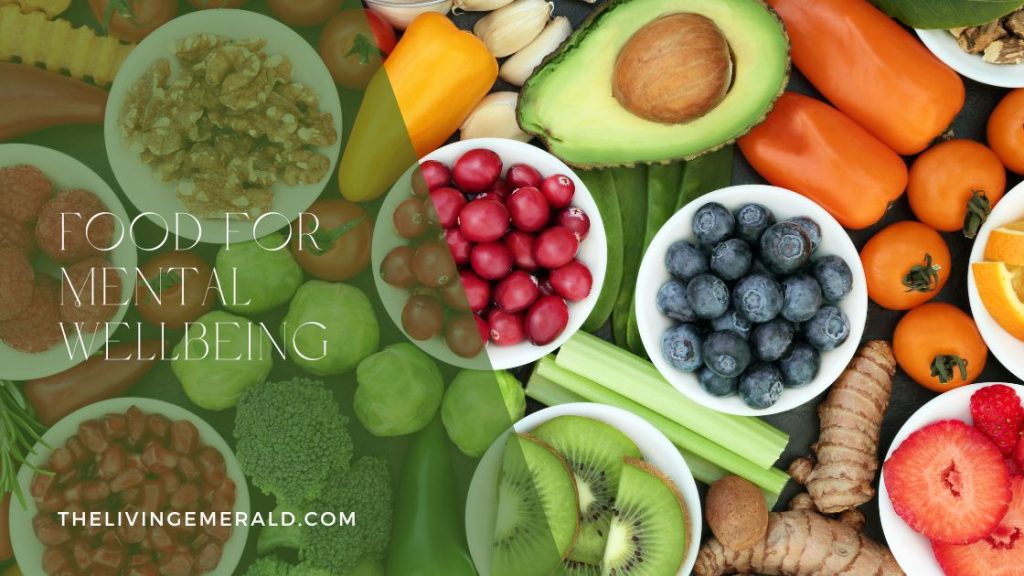
In our pursuit of holistic wellness, the connection between what we eat and our mental health cannot be overlooked. Just as we nourish our bodies with nutrient-dense foods, we must also prioritize nourishing our minds.…
Nourishing the Mind: Exploring the Power of Food for Mental Wellbeing Read More »
FOOD & HEALTH
Table of ContentsIngredients for Preparing your 10 minutes breakfastSteps for preparationFrying the egg 3minFrying the plantain 3minFrying the boiled snail, shrimps, and crayfish 3minConclusion Making breakfast is always not an easy thing to decide on,…