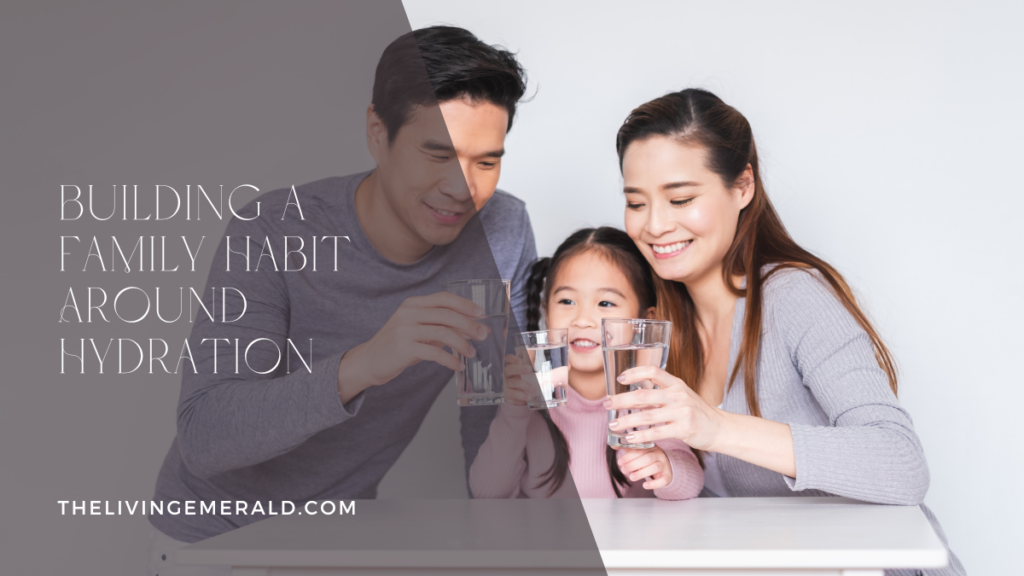
Ask most families what the children drink between meals and the honest answer is often something sweet: a soft drink, a packet juice, a flavoured drink or tea heavy with sugar. Nobody sets out to build that habit. It builds itself because those drinks are convenient, cold and tasty. Water first is a simple household rule that turns the default around: before anything else, we reach for water.
This is general wellbeing guidance for Nigerian families, not medical advice. If anyone in your home has a health condition or special needs, speak to a health professional about what is right for them. The aim here is a realistic habit that fits an ordinary household budget and schedule.
Why Water First Works Better Than a Lecture
Telling children to drink less sugar rarely works. Giving them an easy, automatic alternative does. When water is the first thing offered at home, in the school bag and at the table, the family stops negotiating with every thirst. A simple rule replaces a hundred small arguments.
Habits are built from cues, not speeches. Water first attaches the habit to moments that already exist: waking up, coming home, sitting down to eat, and getting ready for bed. Once those cues are set, the habit needs far less willpower.
Water First: Five Simple Habits to Start
- Start the day with a glass. Put a cup by the bed or on the table so it is the first thing everyone sees.
- Give each person a bottle. A named bottle makes water visible and easy, and reduces the temptation to buy drinks on the go.
- Water with meals. Make water the standard mealtime drink, and keep sweet drinks as a treat rather than a routine.
- Set two or three drinking moments. After school, after play and before bed are easy anchors.
- Make it appealing. Cold water, or water with a slice of orange or cucumber, is often enough to make it more inviting.
You do not have to introduce all five at once. Pick one this week and let it settle.
Keep It Safe, Clean and Affordable
Good hydration depends on safe water. If you are unsure about your source, boiling and filtering are common household ways to make water safer, and clean, covered containers keep it that way. Sachet and bottled water are convenient but add up quickly over a month, so compare the cost with a filter, a refill option or a dispenser you can afford.
Health guidance such as the NHS page on water, drinks and nutrition encourages regular drinking of water and lower-sugar drinks. Needs vary with age, weather, activity and health, so treat any single number as a rough guide, not a rule.
Helping Children Choose Water
Children copy what they see. If adults reach for water first, the habit becomes normal. Let them pick their own bottle, help refill it and track their drinking with a simple sticker chart if they enjoy it. Avoid turning water into a punishment or a chore, and avoid shaming children who ask for a sweet drink. Calmly offer water first and keep the sweet drink for a planned moment.
On hot days and after active play, remind children to drink even before they say they are thirsty. Young children in particular can forget to stop and drink when they are busy.
What About Juice, Tea and Soft Drinks?
You do not need to ban anything. A sweet drink at a celebration or a weekend meal is part of ordinary life. The change is in the default. If sugary drinks are for occasions and water is for every day, the balance shifts without a battle. For more on practical, budget-aware family eating, see healthy eating when money and time are tight and rice every day?.
A Simple Week of Water First
Habits stick when they are small and specific. Try this over one week. On Monday, put a cup of water on the table at breakfast. On Tuesday, give everyone a bottle for school or work. On Wednesday, make water the drink at dinner. On Thursday, agree on one after-school water moment. On Friday, let the children choose how to make water a little more interesting. At the weekend, review what worked and what was awkward.
After a week you will know which cue fits your home best. Keep that one, add another later, and let the rest go. The point is to build a routine you can maintain, not to impress anyone with a perfect chart.
Common Objections and Simple Answers
Some children say water is boring. Try changing the container, the temperature or a little fruit slice before changing the rule. Some adults say they forget. Attach the habit to something you never forget, such as brushing your teeth or making tea. Some households worry about cost. A refillable bottle and a simple filter are usually cheaper over time than daily sweet drinks.
The best test of water first is whether it is easy enough to keep on a bad day. If it is, it will survive the busy weeks, and that is when a habit really counts.
Make Water First a Family Habit
Pick one cue, one bottle and one rule this week, and let everyone take part. Water first is not about perfection. It is about a small, repeatable routine that supports the whole family, saves money and makes healthier choices the easy ones. Try it for two weeks, adjust what does not fit, and let it become part of your home.